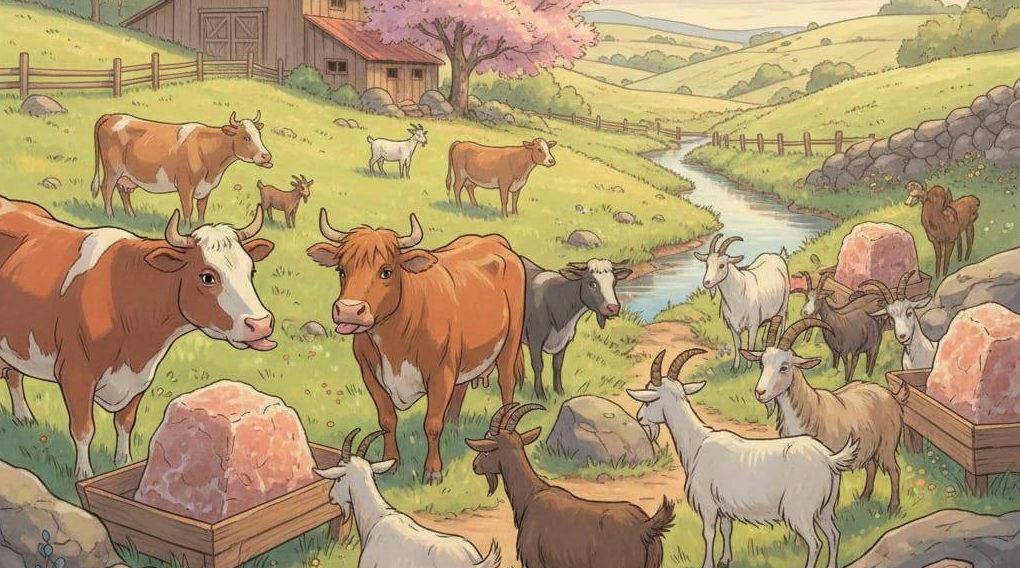
➡️ INTRODUCTION
→ Ensuring proper growth and productivity in livestock requires more than just regular feed; supplements and minerals play a crucial role in supporting overall health, immunity, and development. Deficiencies in essential nutrients can lead to poor growth, low milk production, reproductive issues, and increased susceptibility to diseases. By incorporating the right supplements and minerals into animal diets, farmers can significantly enhance growth rates, improve feed efficiency, and strengthen the immune system. Understanding which nutrients are vital, their sources, and proper administration techniques allows livestock owners to optimize performance and profitability while maintaining the long-term health of their herds.
➡️ Key Points / Benefits
→ Promotes faster growth and higher weight gain in livestock.
→ Improves immunity and reduces the risk of disease.
→ Enhances milk yield and quality in dairy animals.
→ Supports reproductive health and fertility.
→ Strengthens bones, muscles, and overall vitality.
→ Reduces the need for medical intervention by preventing deficiencies.
🔵 1️⃣ → Importance of Minerals in Animal Diets
Minerals are vital for structural, metabolic, and physiological functions in livestock.
- Key minerals include:
- Calcium and Phosphorus: Essential for strong bones, teeth, and milk production.
- Magnesium: Supports muscle and nerve function.
- Sodium and Chloride: Maintain electrolyte balance and water regulation.
- Trace elements: Zinc, copper, selenium, and manganese aid enzyme activity and immunity.
- Tips:
- Include mineral blocks or premixes in feed.
- Monitor animals for deficiency signs, such as weak bones, low fertility, or poor growth.
- Outcome: Balanced mineral intake prevents growth issues and supports long-term health.
🔵 2️⃣ → Role of Protein Supplements
Protein is the building block for muscle growth and overall development.
- Common sources:
- Soybean meal, groundnut cake, cottonseed cake, fish meal, and legume hay.
- Practical guidance:
- Adjust protein levels according to age, breed, and production stage.
- Combine high-protein feed with green fodder to optimize digestibility.
- Benefits: Adequate protein improves weight gain, milk production, and reproductive performance.
🔵 3️⃣ → Vitamins and Their Benefits
Vitamins support immunity, metabolism, and reproductive health.
- Important vitamins include:
- Vitamin A: Supports vision, growth, and reproduction.
- Vitamin D: Essential for calcium absorption and bone development.
- Vitamin E: Acts as an antioxidant, enhancing immunity.
- B-complex vitamins: Aid energy metabolism and appetite.
- Tips:
- Provide vitamin supplements in feed or water as per veterinary guidance.
- Use natural sources like leafy greens, carotene-rich fodder, or fish oil where available.
- Advantages: Proper vitamin intake reduces disease incidence, boosts growth, and improves overall vitality.
🔵 4️⃣ → Using Feed Additives for Optimal Growth
Feed additives enhance nutrient utilization and growth performance.
- Examples:
- Probiotics and prebiotics: Improve gut health and digestion.
- Enzymes: Aid in breaking down fiber and starch for better nutrient absorption.
- Growth promoters (natural options): Enhance feed efficiency safely.
- Tips:
- Introduce additives gradually to avoid digestive upset.
- Follow manufacturer instructions or veterinary recommendations.
- Outcome: Improved feed conversion, higher growth rates, and reduced feed wastage.
🔵 5️⃣ → Monitoring and Adjusting Supplements
Regular monitoring ensures supplements and minerals are effective.
- Dos & Don’ts:
- Do maintain records of feed intake, weight gain, and health status.
- Don’t over-supplement, as it may cause toxicity or imbalance.
- Step-by-step:
- Observe animal behavior, coat condition, and growth progress.
- Adjust supplement levels according to age, breed, and production stage.
- Consult a veterinarian for lab testing if deficiencies are suspected.
- Benefits: Balanced supplementation maximizes growth, prevents health issues, and supports farm profitability.
➡️ CONCLUSION
→ Providing livestock with the right supplements and minerals is essential for promoting healthy growth, improving productivity, and preventing nutrient deficiencies. By including minerals, protein, vitamins, and beneficial feed additives in their diets, farmers can enhance weight gain, milk yield, immunity, and reproductive performance. Regular monitoring and proper adjustment of supplements ensure optimal results while avoiding toxicity. Implementing these practices not only boosts animal health and growth but also increases farm efficiency and profitability, making it a key strategy for sustainable livestock management.