➡️ INTRODUCTION
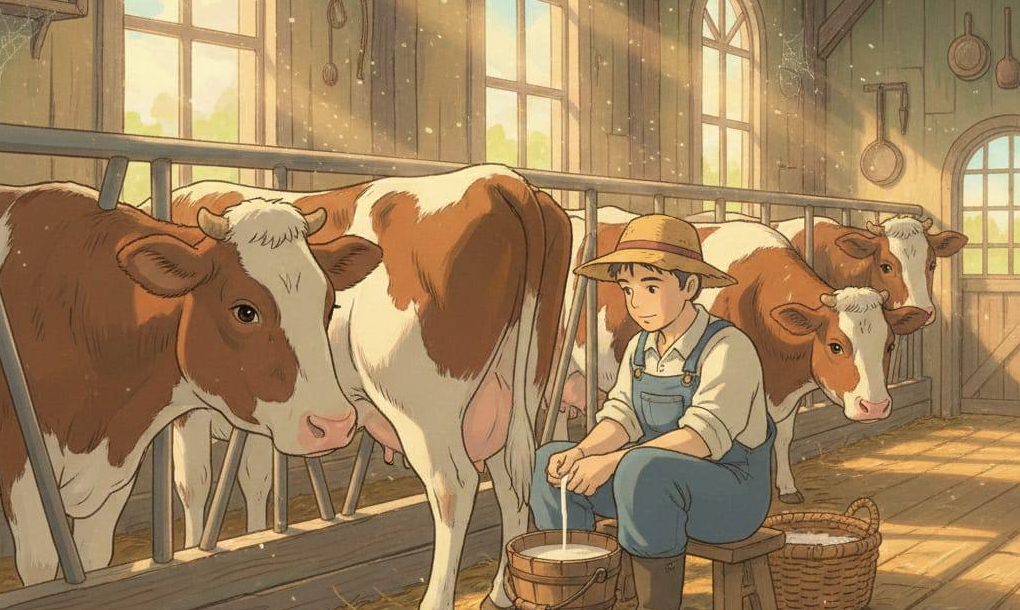
→ Proper milking techniques are essential for dairy farmers to ensure maximum milk yield, animal welfare, and long-term productivity. Incorrect milking practices can lead to udder infections, reduced milk quality, and lower production. By understanding the right methods, including proper preparation, hygiene, and handling, farmers can optimize milk output while keeping animals healthy and comfortable. Effective milking practices not only improve profitability but also enhance milk quality for consumption or processing. Implementing a systematic milking routine reduces stress on cows or goats, prevents mastitis, and ensures consistent, high-quality milk, supporting both the health of the herd and the success of the farm business.
➡️ Key Points / Benefits
→ Maximizes milk yield through proper handling and stimulation.
→ Maintains udder health and prevents infections like mastitis.
→ Improves milk quality, including fat and protein content.
→ Reduces stress and discomfort for dairy animals.
→ Ensures consistency and efficiency in daily milking routines.
→ Enhances long-term productivity and farm profitability.
🔵 1️⃣ → Preparing Animals for Milking
Proper preparation of animals before milking is critical for both yield and hygiene:
- Wash the udder and teats with clean, lukewarm water to remove dirt and bacteria.
- Dry the udder using a clean towel or cloth to prevent contamination.
- Gently massage the udder to stimulate milk let-down and improve blood flow.
- Calm the animal by speaking softly or ensuring a familiar routine.
Practical tips: - Ensure the animal has had sufficient feed and water before milking.
- Avoid sudden movements or loud noises that can stress the animal.
- Check for signs of inflammation or injury before milking.
Proper preparation ensures cleaner, safer milk and increases the efficiency of milk extraction.
🔵 2️⃣ → Correct Milking Position and Handling
The way an animal is positioned and handled affects comfort and milk yield:
- Use a comfortable, stable platform for both the animal and milker.
- Stand or sit in a position that allows easy access to all teats.
- Hold the teat firmly but gently at the base, avoiding pulling or squeezing too hard.
Step-by-step guidance: - Start milking from the front teats, followed by the rear teats.
- Apply a rhythmic, consistent motion to encourage milk flow.
- Monitor the animal for signs of discomfort and adjust handling if needed.
Proper positioning reduces stress, minimizes teat injury, and ensures complete milk removal.
🔵 3️⃣ → Hygiene and Equipment Maintenance
Maintaining hygiene is essential to prevent contamination and udder infections:
- Wash hands thoroughly before and after milking.
- Clean and sanitize all milking equipment, including buckets, machines, and containers.
- Avoid touching dirty surfaces or letting equipment contact the ground.
Tips and mistakes to avoid: - Don’t reuse dirty towels or cloths for multiple animals.
- Avoid leaving milk exposed for long periods before cooling or processing.
- Regularly check and maintain milking machines to prevent mechanical injury.
Hygienic practices protect animal health, maintain milk quality, and reduce the risk of mastitis.
🔵 4️⃣ → Milking Techniques for Maximum Yield
Proper milking techniques ensure complete milk extraction and improve overall yield:
- Begin with gentle stimulation to trigger oxytocin release for milk let-down.
- Use a consistent rhythm when hand-milking or set machines correctly for mechanical milking.
- Ensure complete emptying of all quarters to prevent residual milk and reduce infection risk.
- Take breaks if the animal shows signs of stress or discomfort.
Practical examples: - Hand-milking: Squeeze the base of the teat and roll downward in a consistent motion.
- Machine milking: Check suction levels and adjust for animal comfort.
Effective techniques maximize milk production while keeping animals healthy and stress-free.
🔵 5️⃣ → Post-Milking Care and Monitoring
Proper care after milking maintains udder health and prepares animals for future milking:
- Apply a teat dip with natural or approved antiseptic to prevent bacterial infections.
- Ensure animals have access to clean water and feed immediately after milking.
- Observe for any swelling, redness, or abnormal milk indicating mastitis.
Dos & don’ts: - Do record milk yields for each animal to monitor performance trends.
- Don’t rush the milking process; complete extraction is critical.
- Do provide a calm and comfortable resting area post-milking.
Consistent post-milking care ensures ongoing udder health, reduces disease risk, and maintains high milk yields.
➡️ CONCLUSION
→ Proper milking techniques are vital for maximizing milk yield, maintaining udder health, and ensuring animal welfare. Preparing animals correctly, using the right positions and handling, maintaining hygiene, applying effective milking techniques, and providing post-milking care all contribute to consistent, high-quality milk production. Implementing these practices reduces stress, prevents infections, and improves both productivity and profitability. By following a systematic, careful approach to milking, farmers can protect their dairy animals, enhance milk quality, and create sustainable, long-term success for their farm operations.