➡️ INTRODUCTION
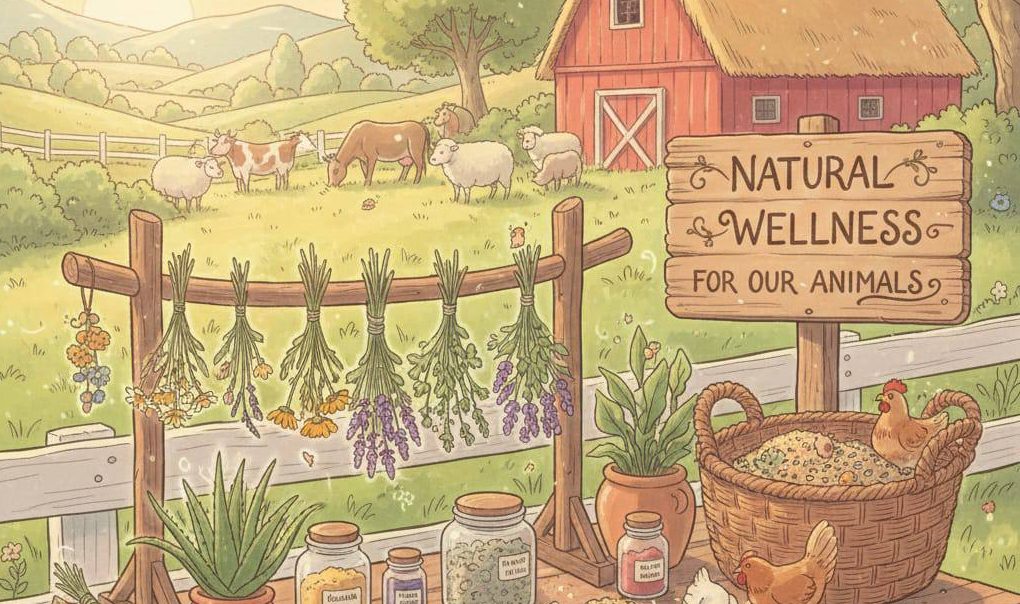
→ Maintaining the health of livestock and domestic animals is essential for productivity, welfare, and sustainable farming. Natural remedies and preventive measures provide an effective way to support animal health without relying heavily on chemicals or antibiotics. These practices not only protect animals from common diseases but also improve growth, reproduction, and product quality such as milk, meat, or eggs. By using herbal supplements, maintaining hygiene, and implementing proper management practices, farmers can reduce the risk of illness, lower veterinary costs, and promote environmentally friendly farming. Understanding natural health strategies empowers animal owners to create resilient, healthy, and productive herds.
➡️ Key Points / Benefits
→ Reduces disease occurrence without overuse of chemicals.
→ Improves immunity, growth, and reproductive performance.
→ Enhances milk, meat, and egg quality naturally.
→ Lowers veterinary costs and reliance on antibiotics.
→ Supports sustainable and eco-friendly farming practices.
→ Promotes animal welfare and overall herd resilience.
🔵 1️⃣ → Herbal Remedies for Strengthening Immunity
Herbs and natural supplements can boost the immune system and prevent illness:
- Garlic: Acts as a natural antimicrobial, improving resistance to infections.
- Turmeric: Reduces inflammation and supports liver function.
- Ginger: Aids digestion and strengthens immunity.
- Neem: Helps control parasites and bacterial infections.
Practical guidance: - Mix crushed herbs with feed or water in appropriate doses.
- Introduce supplements gradually to monitor tolerance.
- Rotate herbs seasonally to provide varied nutrients and benefits.
Herbal remedies enhance immunity naturally, reduce disease susceptibility, and improve overall vitality.
🔵 2️⃣ → Hygiene and Cleanliness as a Preventive Measure
Maintaining clean living conditions is a cornerstone of natural disease prevention:
- Clean barns, cages, and pens regularly to reduce pathogens.
- Ensure bedding is dry and replaced frequently.
- Disinfect waterers, feeders, and equipment naturally using lime or neem-based solutions.
- Remove waste and dead material promptly to prevent contamination.
Benefits: - Reduces the spread of bacterial, viral, and parasitic infections.
- Improves air quality and lowers respiratory problems.
- Minimizes stress and improves animal behavior and productivity.
A hygienic environment significantly lowers disease risks and supports overall herd health naturally.
🔵 3️⃣ → Nutrition and Natural Feeding Practices
Balanced nutrition is critical for disease prevention and natural growth:
- Offer fresh forage, grains, and protein-rich feed suitable for the animal species.
- Include probiotics, fermented feeds, and mineral supplements to improve digestion and immunity.
- Provide clean and fresh water at all times.
Tips and mistakes to avoid: - Avoid overfeeding or giving stale/contaminated feed.
- Don’t rely solely on commercial feeds; combine with natural forage.
- Introduce feed changes gradually to prevent digestive upset.
Proper nutrition strengthens the immune system and enhances resilience against infections and stress.
🔵 4️⃣ → Natural Parasite Control
Parasites can severely impact livestock health if not managed naturally:
- Rotate grazing areas to reduce worm and tick load.
- Use neem, garlic, or diatomaceous earth as natural anti-parasitic agents.
- Keep water sources clean to prevent contamination by larvae.
- Provide dust baths for poultry to reduce external parasites.
Benefits: - Lowers parasite-related illnesses without harmful chemicals.
- Promotes better weight gain, milk production, and egg quality.
- Supports overall longevity and reproductive performance.
Regular natural parasite control ensures healthier animals and reduces dependence on synthetic drugs.
🔵 5️⃣ → Monitoring, Early Detection, and Preventive Care
Preventive measures work best when combined with careful observation:
- Observe daily for signs of illness such as reduced appetite, abnormal behavior, or changes in physical appearance.
- Maintain health records for vaccinations, treatments, and herbal remedies.
- Quarantine new or sick animals to prevent disease spread.
Dos & don’ts: - Do provide timely natural interventions and consult a veterinarian if necessary.
- Don’t ignore subtle changes in behavior or production levels.
- Do schedule regular check-ups and maintain consistent preventive routines.
Early detection and proactive preventive care maximize the benefits of natural remedies and maintain herd resilience.
➡️ CONCLUSION
→ Natural remedies and preventive measures offer a safe, effective, and sustainable approach to maintaining animal health. Using herbal supplements, ensuring hygiene, providing balanced nutrition, controlling parasites naturally, and monitoring animals regularly helps prevent diseases, improve productivity, and reduce costs. These practices support long-term farm sustainability, promote animal welfare, and enhance the quality of milk, meat, and eggs. Implementing a holistic natural health strategy empowers farmers to maintain resilient, thriving herds while minimizing chemical dependency. Consistent attention to preventive care ensures healthy, productive, and profitable livestock operations.