➡️ INTRODUCTION
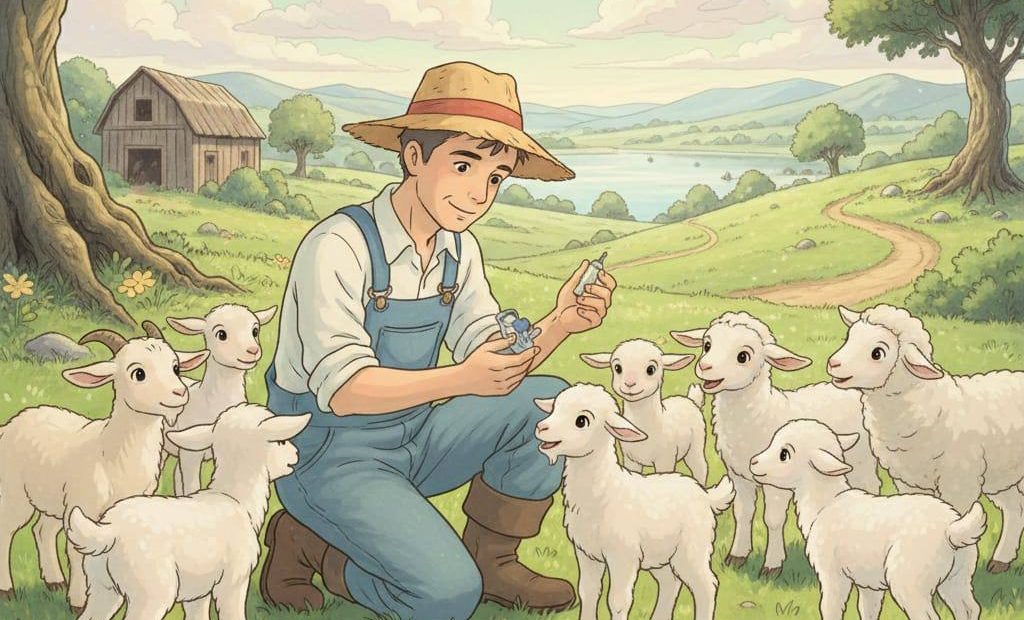
→ Vaccination is a critical component of goat and sheep management, helping prevent deadly diseases and maintain healthy, productive herds. Properly timed vaccines protect animals from infections like Peste des Petits Ruminants (PPR), Enterotoxemia, Foot-and-Mouth Disease (FMD), and sheep/goat pox. Following a vaccination schedule ensures that young and adult animals develop immunity at the right stages of life, reducing morbidity, mortality, and financial losses. Well-vaccinated herds produce better milk, meat, and fiber, while minimizing veterinary costs. By understanding and implementing a structured vaccination program, farmers can protect their livestock, improve productivity, and ensure long-term herd sustainability.
➡️ Key Points / Benefits
→ Protects goats and sheep from common viral and bacterial diseases.
→ Reduces mortality and disease outbreaks in the herd.
→ Improves milk, meat, and wool/fiber production.
→ Minimizes veterinary and treatment costs.
→ Supports sustainable herd management and farm profitability.
→ Ensures healthier offspring through maternal immunity transfer.
🔵 1️⃣ → Importance of a Vaccination Schedule
A vaccination schedule provides a systematic approach to disease prevention:
- Ensures animals receive vaccines at the right age and interval for maximum immunity.
- Reduces the risk of disease outbreaks by creating herd immunity.
- Supports reproductive efficiency by keeping breeding animals healthy.
- Helps in planning farm management and veterinary visits efficiently.
Practical tips: - Maintain a record of all vaccinations, including dates and types of vaccines.
- Consult local veterinary authorities for region-specific disease risks.
- Include both routine and booster vaccinations in the schedule.
A well-structured schedule helps farmers plan preventive care and maintain a healthy, productive herd.
🔵 2️⃣ → Vaccination Schedule for Young Kids and Lambs
Young goats (kids) and sheep (lambs) are highly susceptible to infections, making early vaccination essential:
- PPR Vaccine: First dose at 3 months of age; booster after 3–4 weeks if recommended.
- Enterotoxemia (Clostridium perfringens) Vaccine: First dose at 6–8 weeks; second dose after 3–4 weeks.
- Foot-and-Mouth Disease (FMD) Vaccine: Administer at 4–6 months if prevalent in the region.
Tips for effectiveness: - Ensure maternal antibodies are considered; some vaccines are delayed if maternal immunity is strong.
- Keep vaccines refrigerated and handle with care to maintain potency.
Proper early vaccination builds a strong foundation of immunity for long-term herd health.
🔵 3️⃣ → Vaccination Schedule for Adult Goats and Sheep
Adult animals require routine vaccination to maintain immunity:
- PPR and FMD: Annual booster doses to maintain protection.
- Enterotoxemia: Annual booster, particularly for breeding and lactating animals.
- Sheep/Goat Pox: Follow local veterinary guidelines for regions with outbreaks.
Practical guidance: - Vaccinate breeding stock before mating to protect both mothers and offspring.
- Maintain spacing between vaccines to prevent immune overload.
- Monitor animals for mild post-vaccine reactions and consult a vet if symptoms persist.
Routine adult vaccination ensures herd resilience and prevents productivity losses.
🔵 4️⃣ → Handling, Storage, and Administration of Vaccines
Proper vaccine handling is critical for efficacy:
- Store vaccines in a refrigerator (2–8°C) and avoid freezing.
- Use clean, sterilized syringes and needles for each animal or group.
- Administer vaccines at recommended doses and sites (usually subcutaneous or intramuscular).
- Dispose of used needles safely to prevent injuries or contamination.
Tips to avoid mistakes: - Do not use expired or damaged vaccines.
- Avoid vaccinating stressed or sick animals.
- Follow manufacturer instructions carefully for mixing and administration.
Correct handling ensures vaccines work effectively and provides maximum herd protection.
🔵 5️⃣ → Monitoring and Record-Keeping
Monitoring vaccination outcomes and keeping detailed records is vital:
- Track each animal’s vaccination history, including date, type, batch number, and booster schedule.
- Observe animals for reactions post-vaccination, such as swelling or fever.
- Schedule reminders for booster doses to maintain immunity.
Dos & don’ts: - Do regularly review herd health data to adjust vaccination strategies.
- Don’t neglect record-keeping, as missed vaccinations can lead to outbreaks.
- Do consult a veterinarian for any unusual reactions or vaccination failures.
Accurate monitoring ensures a fully protected herd and helps plan future preventive measures effectively.
➡️ CONCLUSION
→ Following a structured vaccination schedule for goats and sheep is essential for preventing diseases, maintaining herd health, and ensuring farm productivity. Early vaccination for kids and lambs, routine boosters for adults, proper handling of vaccines, and diligent record-keeping help farmers reduce mortality, improve milk, meat, and fiber production, and minimize veterinary costs. By implementing these practices, livestock owners can protect their herd from common viral and bacterial infections, enhance reproductive performance, and secure long-term sustainability and profitability. Consistent attention to vaccination safeguards animal welfare and strengthens the overall resilience of the farm.