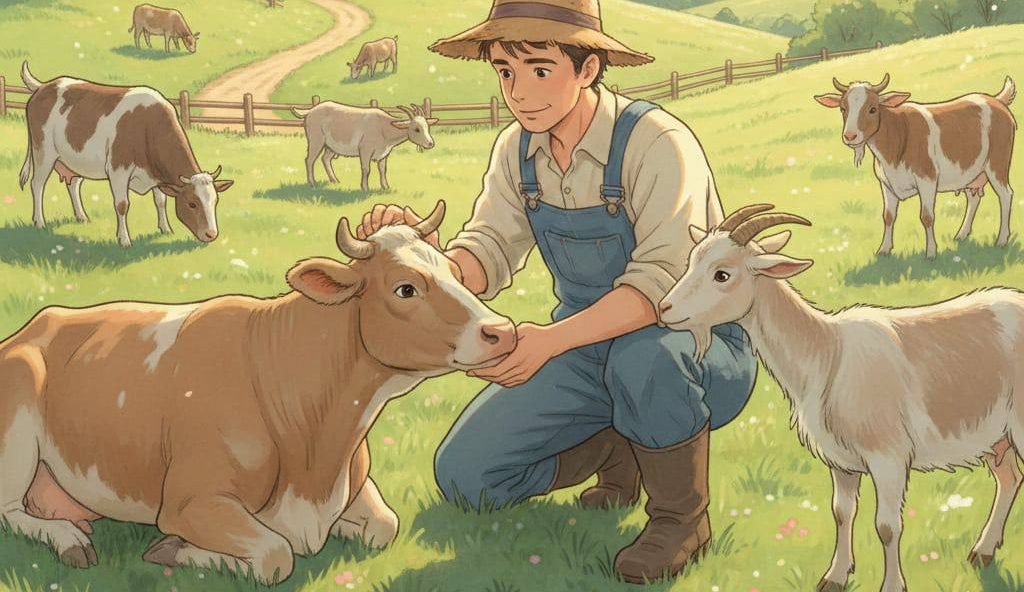
➡️ INTRODUCTION
→ Early detection of illness in livestock is crucial for maintaining a healthy, productive, and profitable farm. Animals often hide symptoms until diseases become severe, making timely observation and intervention essential. Recognizing early signs of illness allows farmers to provide prompt care, prevent the spread of infections, and reduce financial losses. By learning to identify changes in behavior, appetite, physical appearance, and production levels, livestock owners can protect their herds and flocks from serious health issues. Early detection also improves treatment outcomes, reduces mortality, and supports overall animal welfare. Implementing systematic monitoring practices ensures a resilient and sustainable livestock operation.
➡️ Key Points / Benefits
→ Prevents the progression of serious diseases through early intervention.
→ Reduces mortality and veterinary treatment costs.
→ Maintains productivity in milk, meat, and reproduction.
→ Minimizes the spread of infectious diseases within the herd.
→ Enhances overall animal welfare and farm sustainability.
→ Improves record-keeping and management efficiency for long-term herd health.
🔵 1️⃣ → Behavioral Changes as Early Warning Signs
Behavioral changes are often the first indicators of illness in livestock:
- Animals may become lethargic, less active, or reluctant to move.
- Reduced social interaction or withdrawal from the herd/flock can signal stress or disease.
- Sudden aggression or irritability may indicate pain or discomfort.
- Changes in feeding or drinking habits, such as refusal to eat, are key signs.
Practical tips: - Observe livestock daily at feeding, watering, and resting times.
- Note any deviations from normal behavior for individual animals.
- Compare behavior with baseline patterns of healthy animals.
Detecting behavioral changes early allows farmers to investigate and address health issues promptly.
🔵 2️⃣ → Physical Signs of Illness
Visible physical changes often accompany sickness in livestock:
- Swelling or lesions on body parts such as joints, hooves, or udders.
- Discharge from eyes, nose, or mouth indicating infections.
- Poor coat condition, feather loss, or dullness.
- Rapid or labored breathing, coughing, or sneezing.
Step-by-step guidance: - Conduct daily physical inspections of each animal.
- Check hooves, skin, and mucous membranes for abnormalities.
- Isolate any animal showing unusual physical signs and consult a veterinarian.
Early recognition of physical symptoms helps prevent disease escalation and protects the rest of the herd.
🔵 3️⃣ → Monitoring Production and Performance
Declines in production often signal underlying health problems:
- Reduced milk yield in dairy cattle or goats can indicate mastitis, metabolic disorders, or infections.
- Poor weight gain in meat animals may suggest parasitic infestations or nutritional deficiencies.
- Decreased egg production or poor-quality eggs in poultry can signal stress or illness.
Practical tips: - Maintain daily records of milk, meat, or egg production.
- Track body condition scores and growth rates regularly.
- Compare production levels with historical averages for your herd or flock.
Monitoring performance trends allows farmers to identify problems early and take corrective measures.
🔵 4️⃣ → Environmental and Management Indicators
The condition of the farm environment can reveal potential health risks:
- Dirty, wet, or overcrowded housing increases the likelihood of infections.
- Poor ventilation may lead to respiratory issues.
- Contaminated feed or water can introduce pathogens.
Practical guidance: - Maintain clean bedding, feeders, and waterers.
- Provide adequate space for all animals to reduce stress and disease spread.
- Implement rotational grazing or pasture management to reduce parasite load.
Environmental monitoring complements direct animal observation and supports preventive health care.
🔵 5️⃣ → Early Action, Record-Keeping, and Veterinary Consultation
Prompt response is essential once signs of illness are observed:
- Isolate sick animals immediately to prevent transmission.
- Record all observations, including symptoms, onset date, and affected animals.
- Consult a veterinarian for diagnosis and treatment recommendations.
Dos & don’ts: - Do maintain detailed herd health records for all animals.
- Don’t delay treatment or ignore subtle signs of illness.
- Do review records regularly to identify recurring issues or trends.
Consistent monitoring, documentation, and professional guidance ensure timely treatment and improved herd health outcomes.
➡️ CONCLUSION
→ Recognizing the early signs of illness in livestock is a vital skill for farmers aiming to maintain healthy and productive herds. Behavioral changes, physical symptoms, production declines, and environmental indicators provide important clues for early detection. By observing animals closely, keeping detailed records, maintaining a clean environment, and consulting veterinarians when needed, farmers can prevent disease spread, reduce losses, and enhance animal welfare. Implementing systematic monitoring and early intervention ensures a resilient, profitable, and sustainable livestock operation while safeguarding the health and productivity of every animal in the herd or flock.